
ACCUEIL / BLOG / COMBUSTIBLE DE CHAFING-DISH
The mid-service can change
Refueling a live chafer is the single most dangerous thing your staff do all night
Industry safety guidance, a federal recall and a marine accident report all describe the same ten seconds. Here is what happens in them, and the training script most venues do not have.
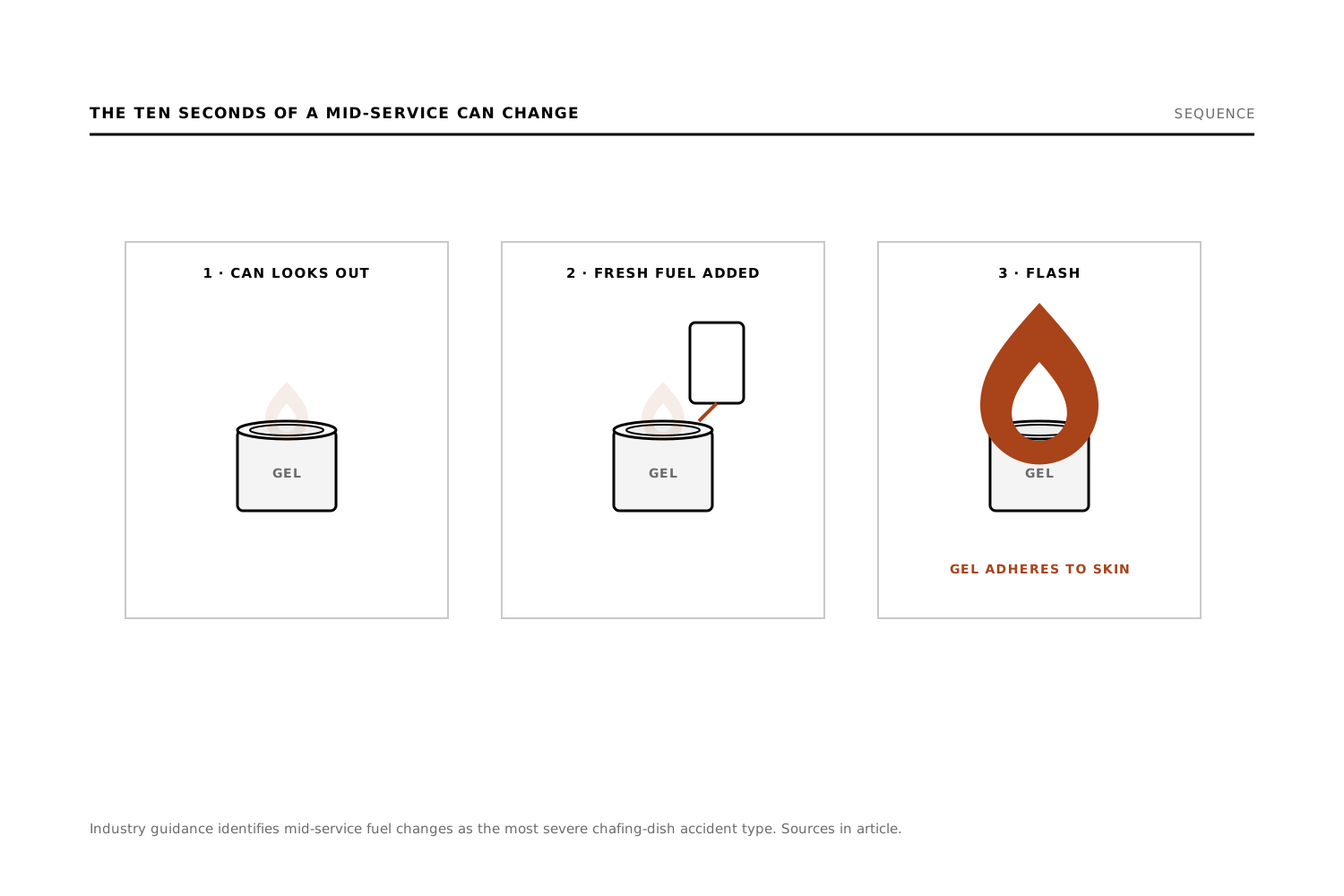
A can of chafing fuel runs out somewhere in the middle of service. A server lifts the water pan, pulls the spent can, drops in a fresh one, lights it, and goes back to work. It takes ten seconds and it is the most dangerous thing anyone on the floor will do that night.
What the evidence says
Safety guidance for chafing dishes states that the most severe accidents occur when staff try to replace spent fuel during service. The CPSC's 2011 gel-fuel recall documented the same act in firepots — adding fuel to a container that was not out — and counted 65 incidents and two deaths. The NTSB's Spirit of Boston report describes a lit canister being put down after service and starting a $3.1 million fire.
The physics
An alcohol flame in daylight is nearly invisible. A can that looks out may not be. The fresh gel or wick fuel meets the flame and flashes. The burning gel adheres to skin. A water pan above it is now a pan of near-boiling water with a fire under it and a person's hand in the gap.
The script you should have
Never change a can that has not been confirmed out by covering it and waiting. Never lean over the unit. Never change fuel with guests within arm's reach. Keep spare fuel away from the line. Write it down, and have every server sign it. This is the minimum, and it is more than most venues have.
Or remove the ten seconds
A cordless cell is swapped for a charged one — no flame, no fuel, no gap. A water-activated pack is finished when it is finished and is replaced cold. The most dangerous moment of the evening does not exist.