
The buffet heat and cold sources, side by side
Flame, cord or ice: an honest comparison
Where each option still wins, where each one fails, and the fourth column the trade catalogues leave out.
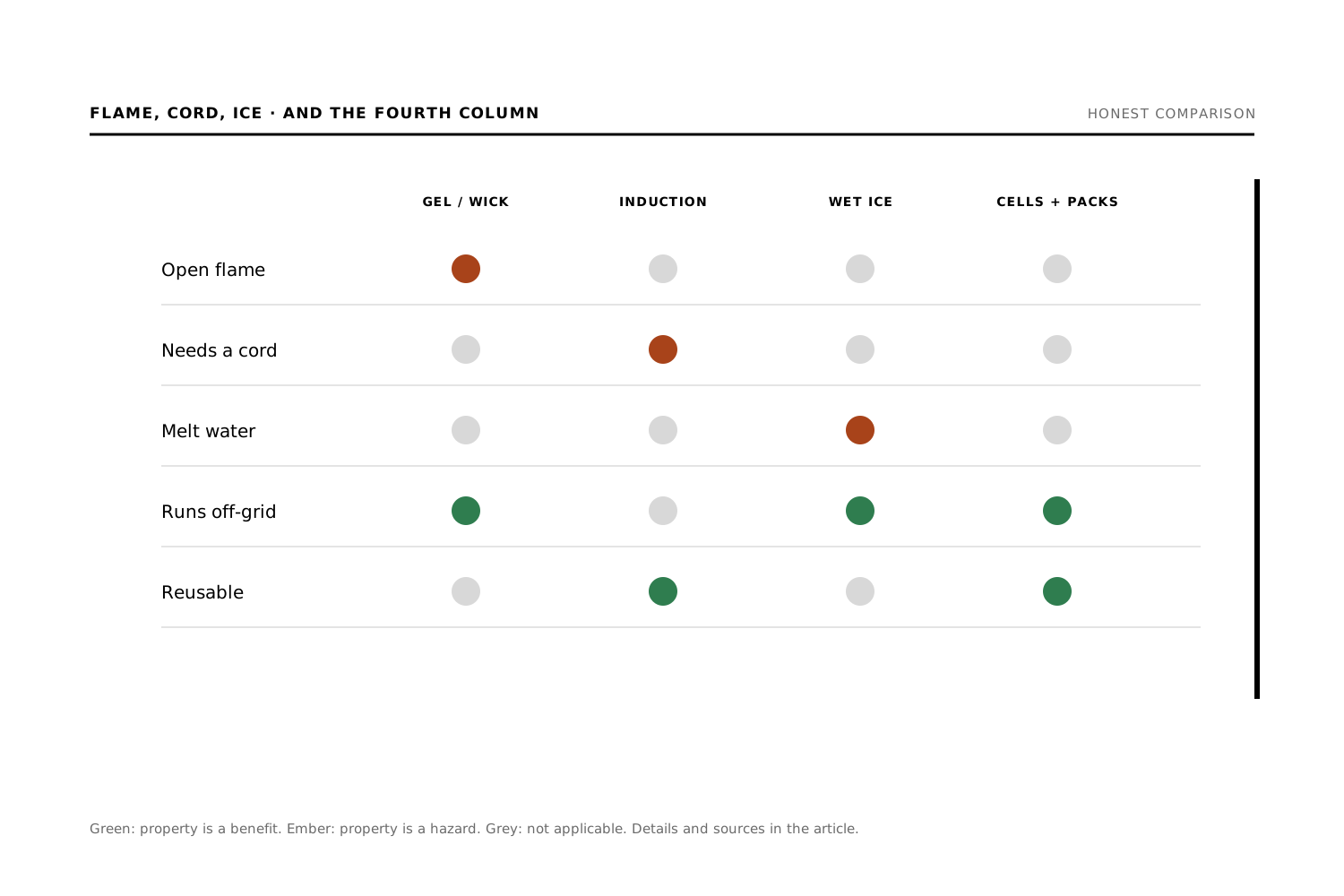
Most comparisons of buffet equipment are written by whoever is selling one of the options. This one is written by a company that sells the fourth, and says so. Judge the table on its evidence.
Gel and wick fuel
Wins: lowest cost at the till; runs anywhere; needs nothing but a match. Fails: open flame in a public room; invisible in daylight; carbon monoxide from combustion; a refueling step with a documented injury record; a steel can and residual fuel to landfill every service.
Induction
Wins: no flame; precise temperature; safe in a fixed line with dedicated outlets. Fails: needs an outlet and a cord; wet-floor electrical risk; manufacturer's own pacemaker and hearing-aid warnings; ferrous pans only; dead when the breaker trips or the generator runs out.
Wet ice
Wins: universally available; visually familiar. Fails: melts into contaminated water in contact with food; drifts out of the cold zone within hours; peer-reviewed studies find faecal bacteria in a meaningful share of food-business ice; up to 12 kWh and well over 100 gallons of water per 100 pounds; hauled, spread, drained and mopped every service.
Cordless cells and water-activated packs
Wins: no flame, no cord, no ice; 80 °C for three hours or 110 °C for two on a hot cell; −10 °C for eight hours on a cold cell; steam in a minute and 45 minutes of hold from a water pack; one well takes all three. Fails: higher first cost; batteries need a charging routine; a water pack is a 45-minute product, not a six-hour one.
The decision
Daily service: cells. Occasional service with no return trip: water packs. A hard-wired fixed line you will never move: induction is defensible. There is no remaining case for a can of burning alcohol on a table with the public standing at it.