
Read the label before you light it
What is actually in a can of chafing fuel
Methanol, ethanol or diethylene glycol, thickened or wicked. Each has a safety data sheet most operators have never opened.
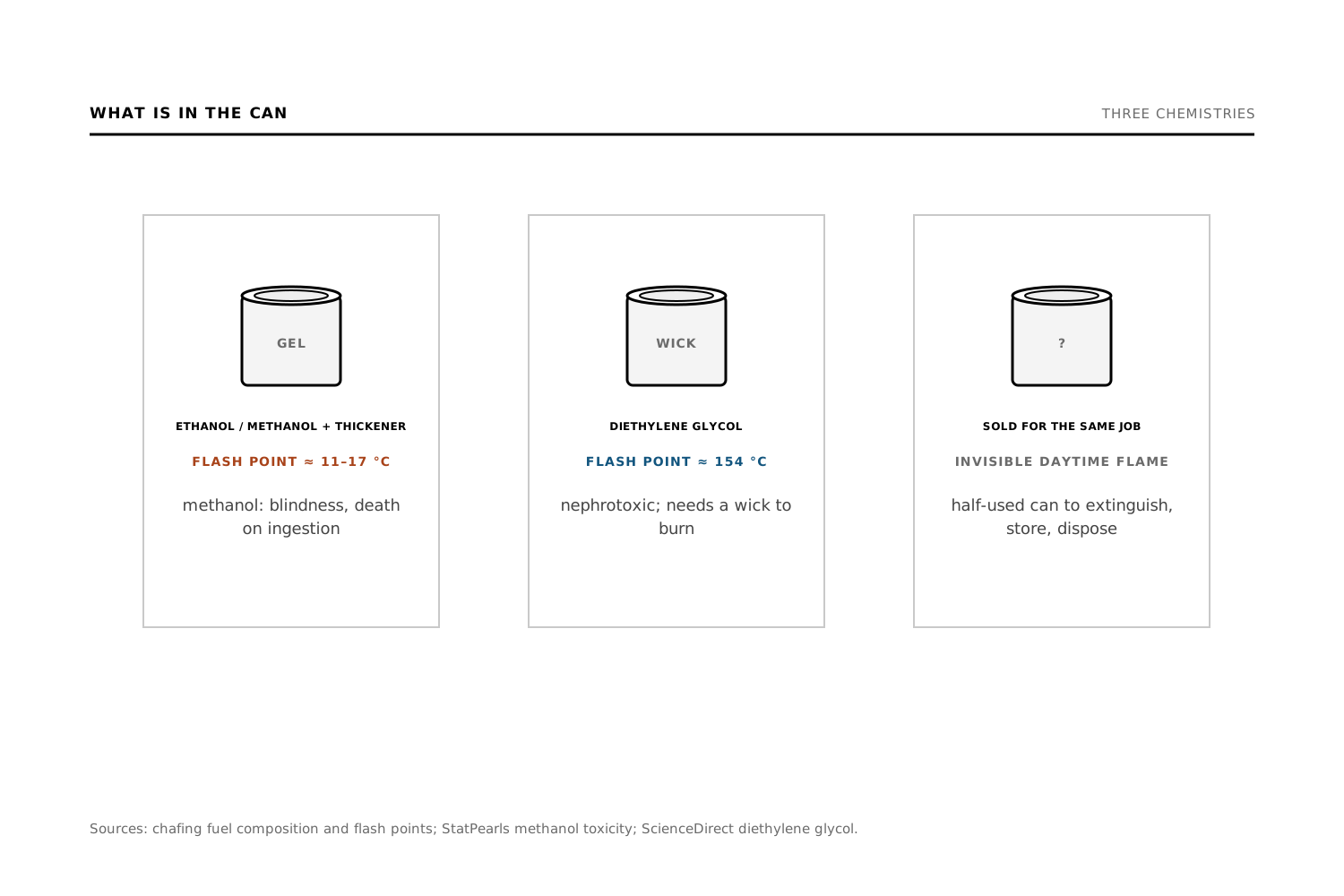
A can of chafing fuel is one of three chemistries. Gel fuels are ethanol or methanol with a thickener. Wick fuels are diethylene glycol drawn up a cotton wick. All three are sold for the same job and behave very differently when something goes wrong.
Methanol
Added to denature the alcohol so it cannot be drunk, methanol is also the most toxic of the three. Clinical references list it among the toxic alcohols that cause blindness and death on ingestion, and name food-warming fuels among the products that contain it. Its flash point is around 11 °C, which means the vapor above an open can will ignite at room temperature.
Ethanol
Cleaner to burn, still a low flash point, still an invisible daytime flame, still a gel that sticks to skin while alight.
Diethylene glycol
Used in wick fuels because a spill will not ignite; the flash point is around 154 °C. It is also nephrotoxic. Medical literature records mass poisonings when it has been mistaken for a safe glycol, and the same reference notes its use in wick chafing fuel by name.
Why it matters on a buffet
The can sits under food, at hand height, in a room full of people who are not chemists. Every one of these fuels needs a flame, and every one of them ends the night as a half-used can that has to be extinguished, stored and disposed of. A water-activated pack contains none of them.