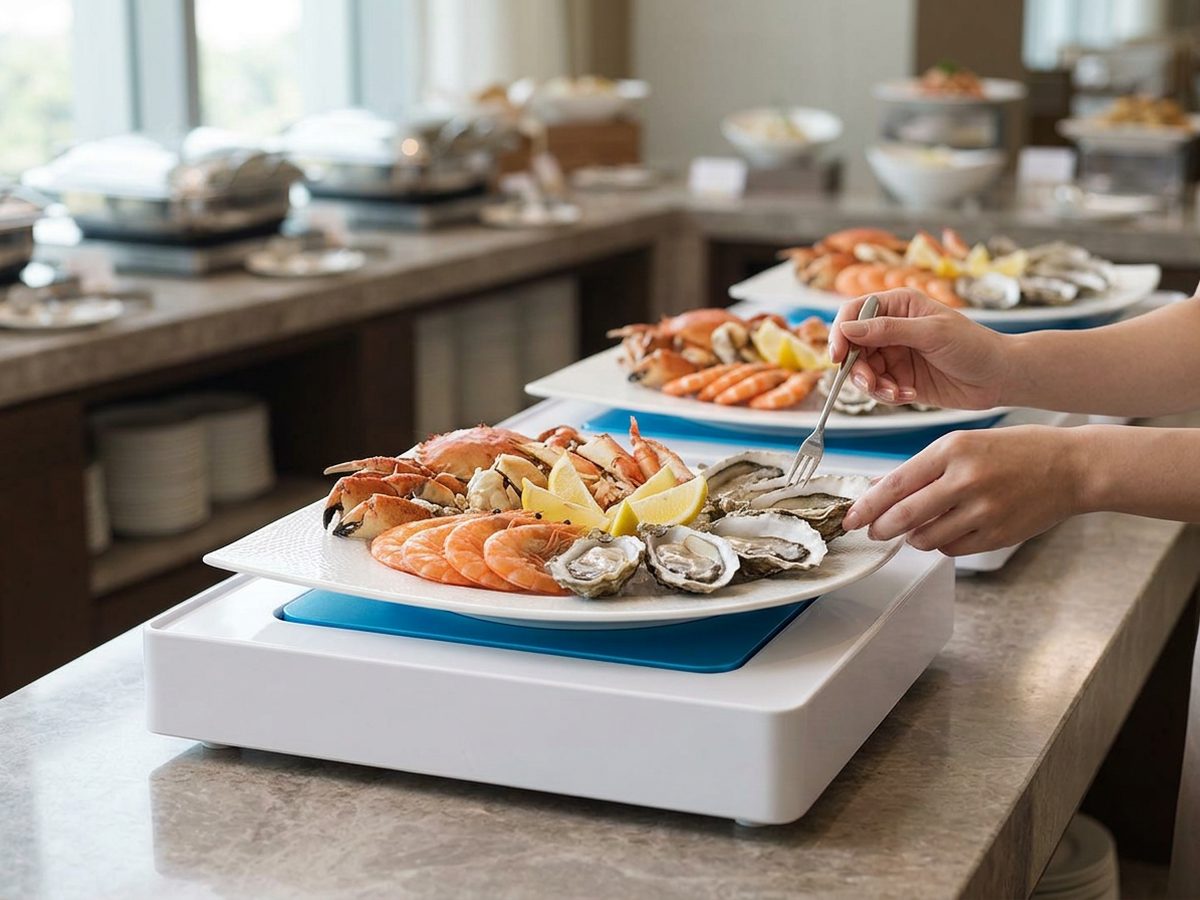
Seafood and raw bar
Oysters, prawns and crab on a plate at about −4°C for four hours in a lidded set, with no ice bed to top up.

HOME / ELEMENTS / C1 PRO COLD CELL
Cold · Element · 1426C002Freeze it. Drop it in. −10°C for 8+ hours, insulated. No melt water, no ice bath.
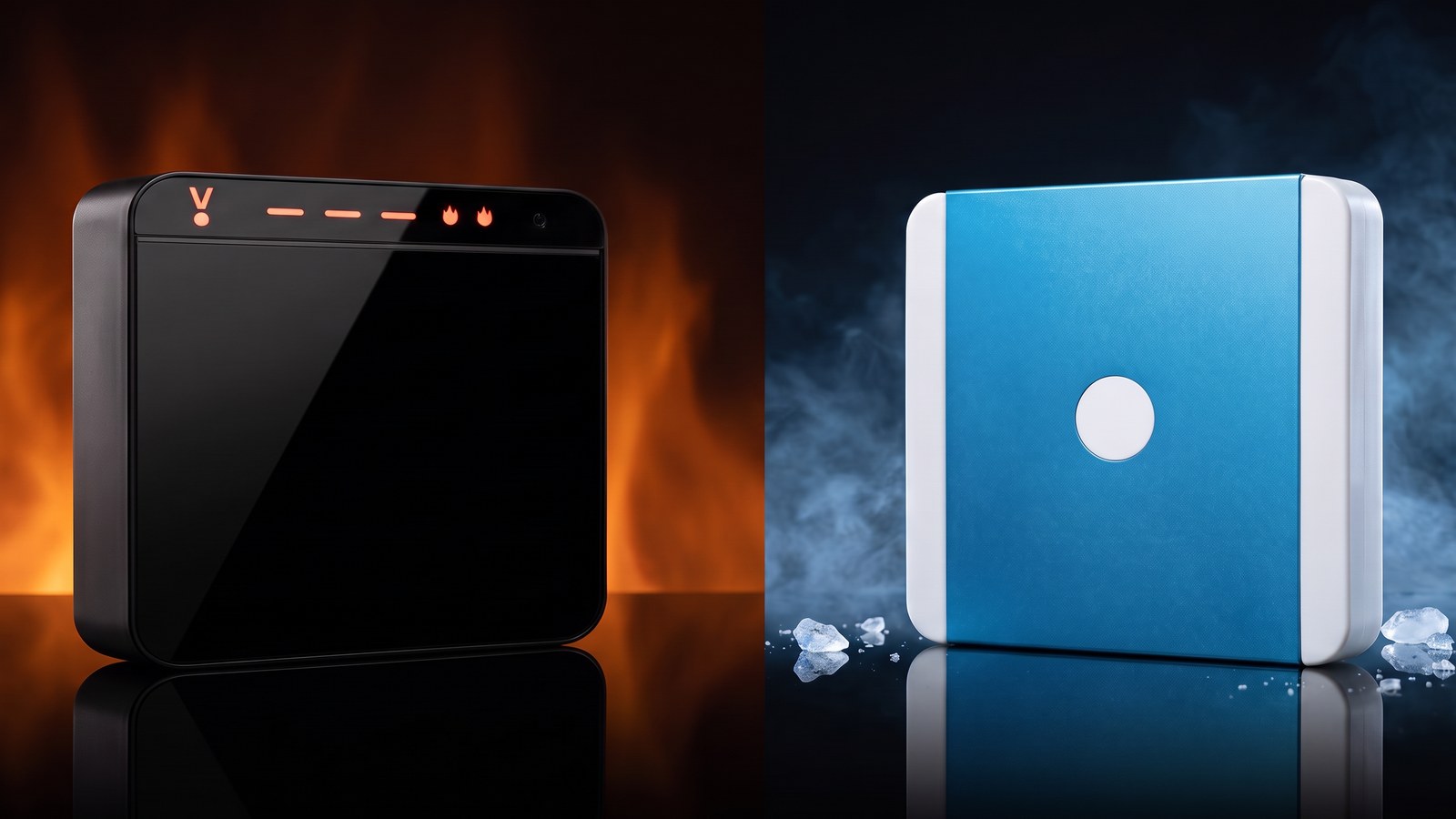
The C1 Pro is the cold element of the system: a 20 × 20 × 5 cm sealed cell that you freeze in an ordinary commercial freezer and drop into the well of any Universal or S28 frame. The cell holds −10°C for 8+ hours in a thermal‑protected environment; in a lidded Universal or S28 set the plate surface above it stays at about −4°C for four hours.
There is no ice to buy, break, bag or bin; nothing melts, nothing drips, and there is no tray of grey water to carry across a floor at the end of service. The cell weighs 1.8 kg.
It shares the 20 × 20 cm well with the H1X hot cell, so the seafood display and the carvery can run on the same frames.
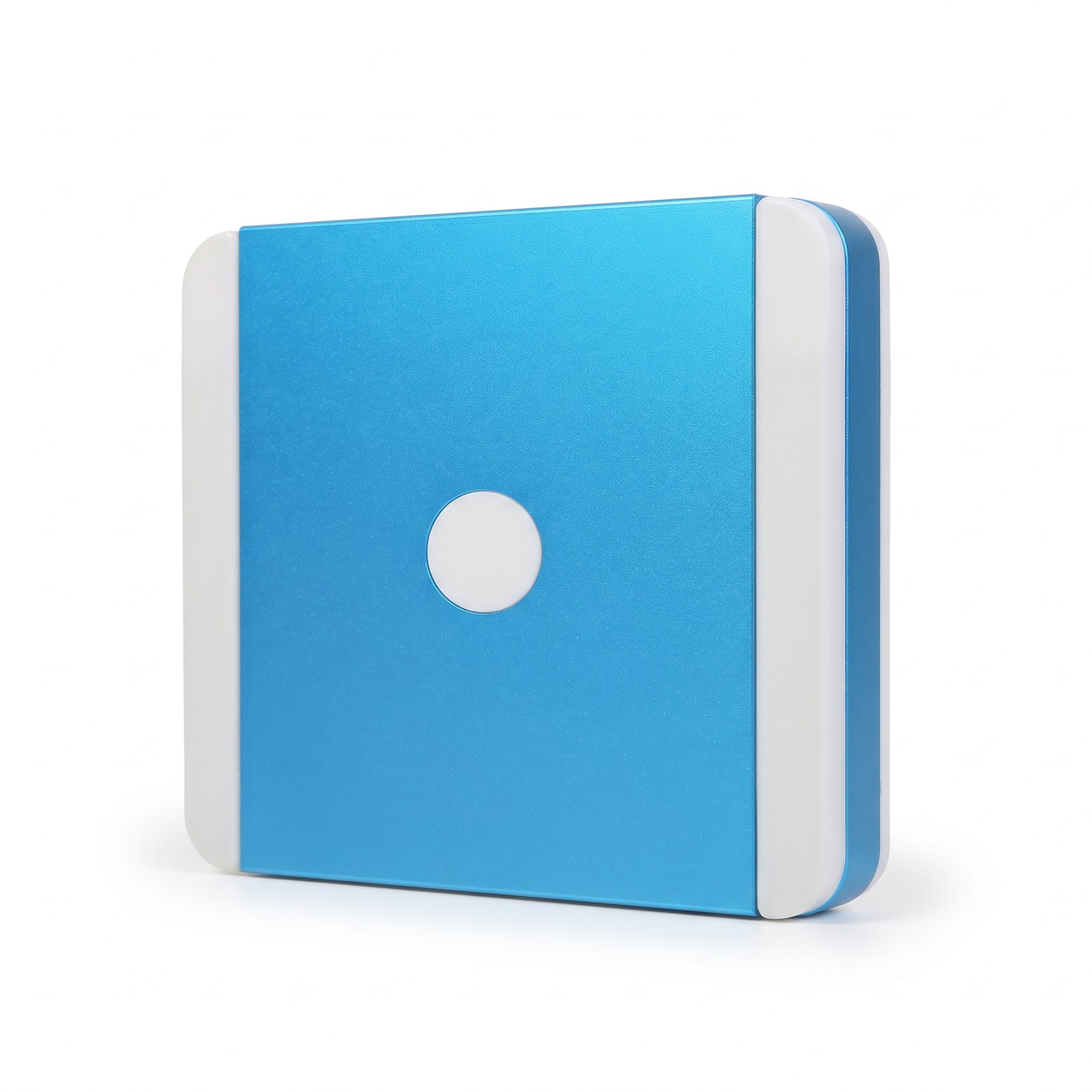
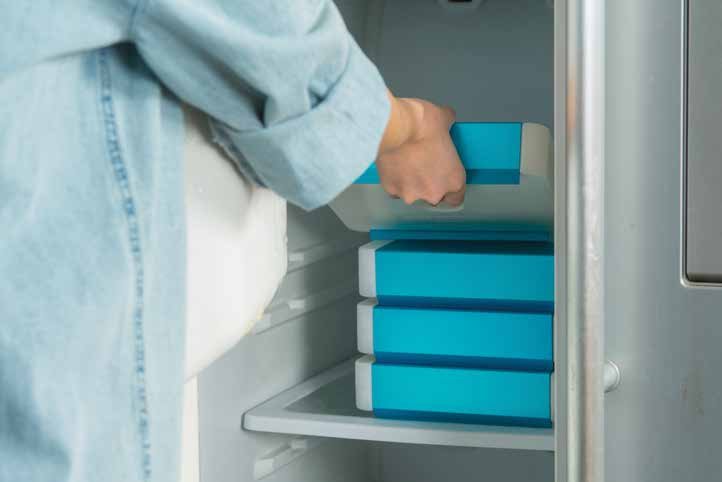
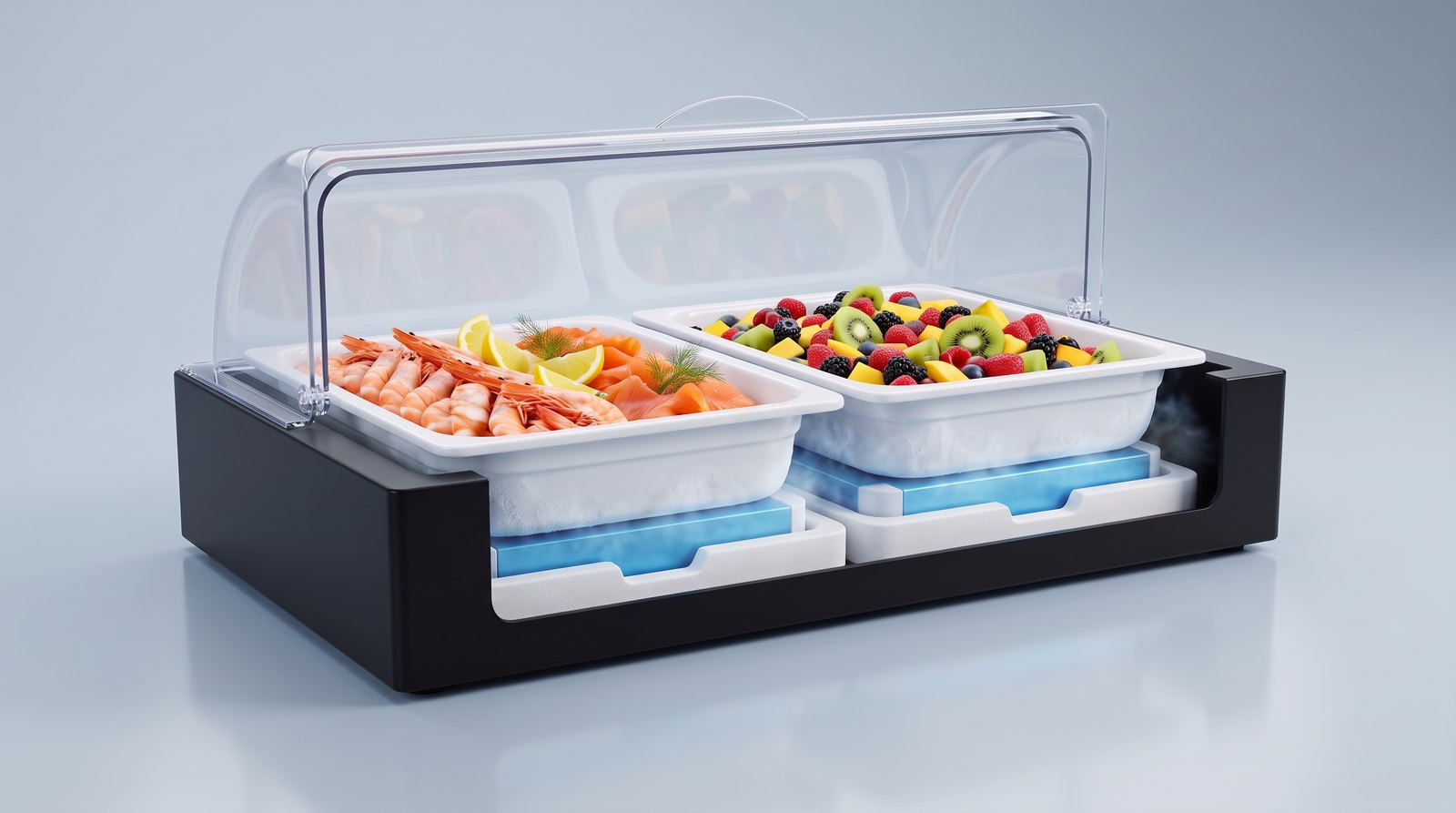
Two C1 Pro cold cells in insulated bases. The flat aluminium plate keeps full contact with the pan, and the base stops condensation.
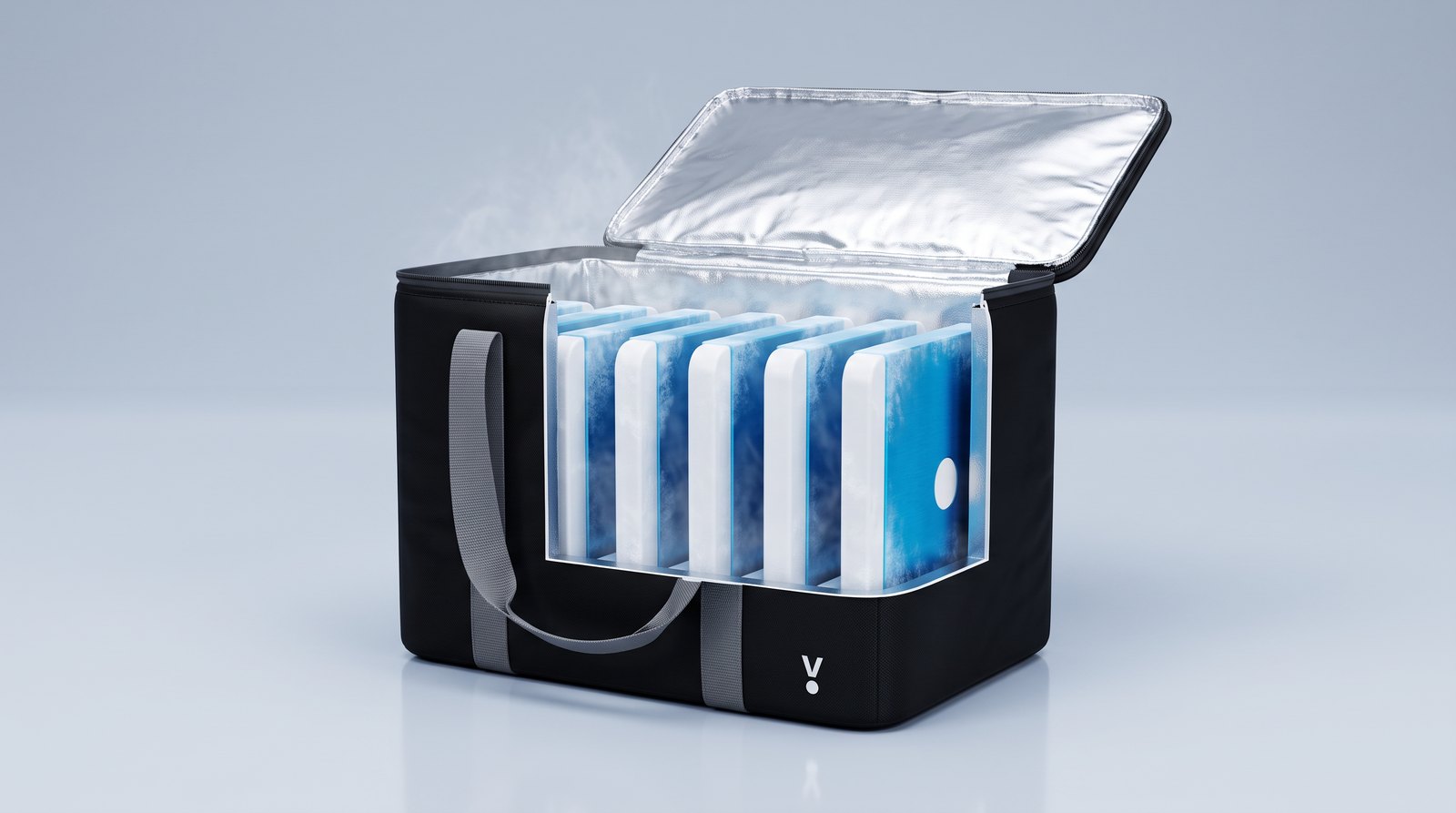
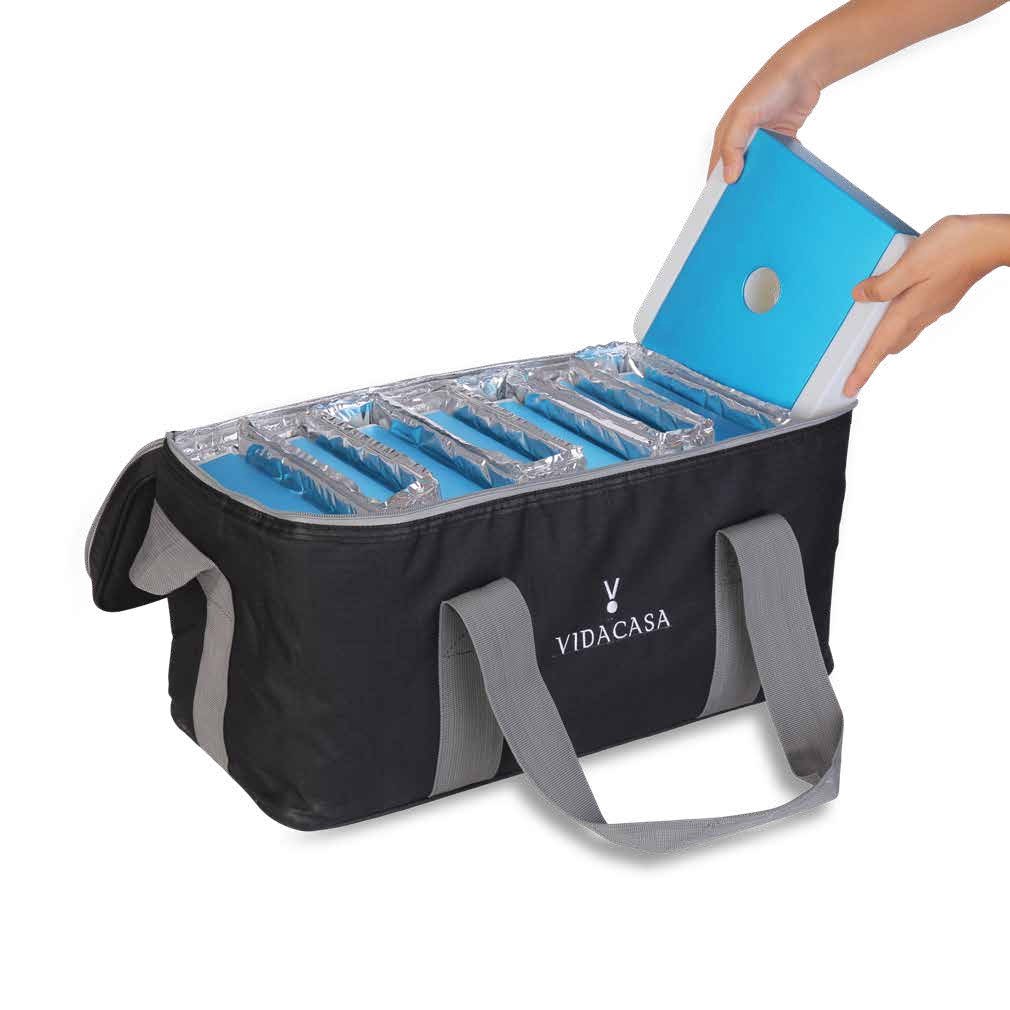
C1 Pro cells travel frozen in a B28 carrier, standing on edge, ready to drop in on site.
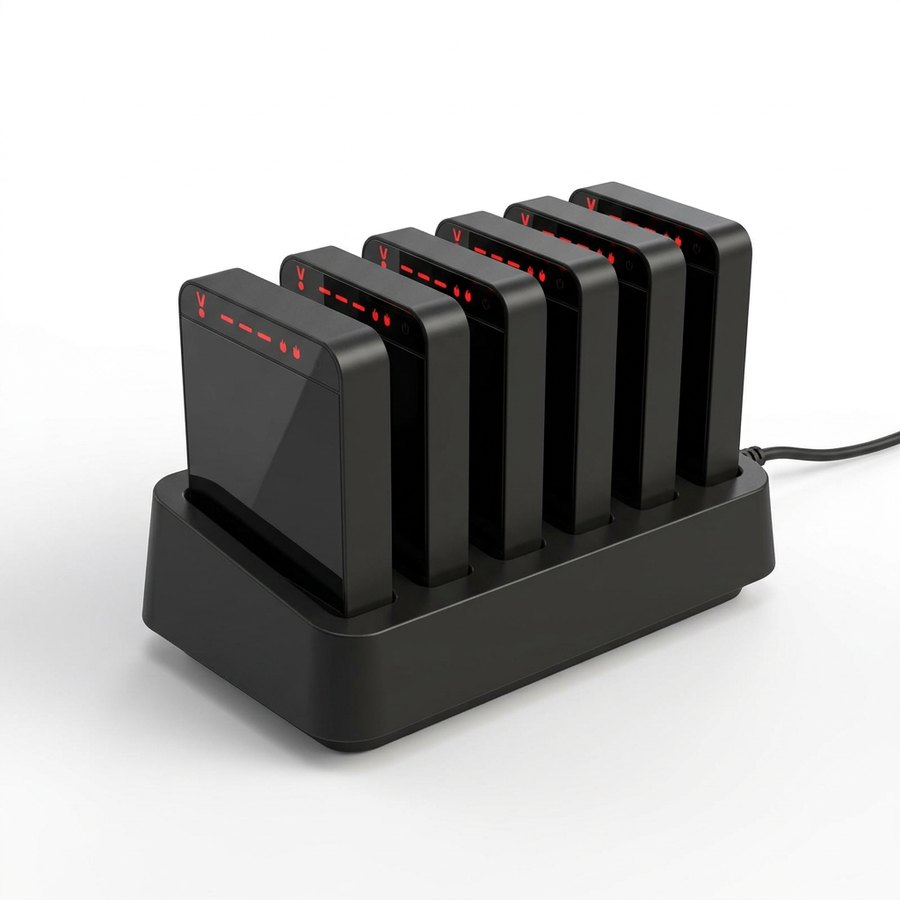
H1X hot cells charge on a dock between services.
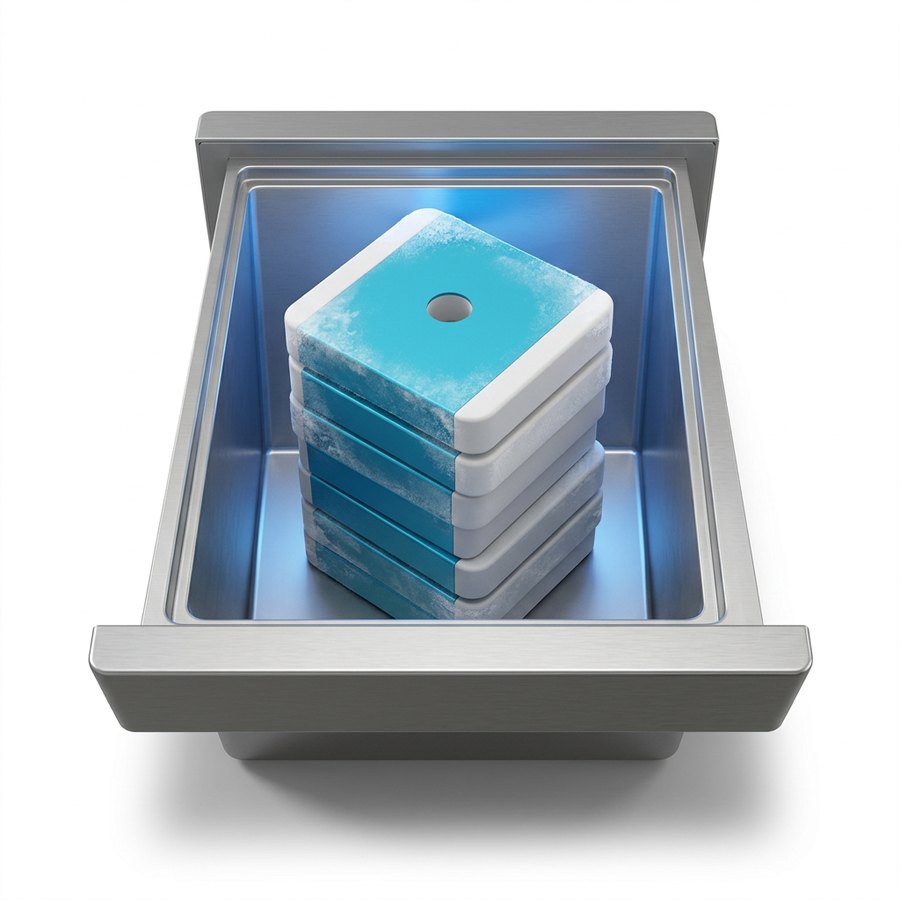
C1 Pro cold cells wait in any freezer at −18°C.
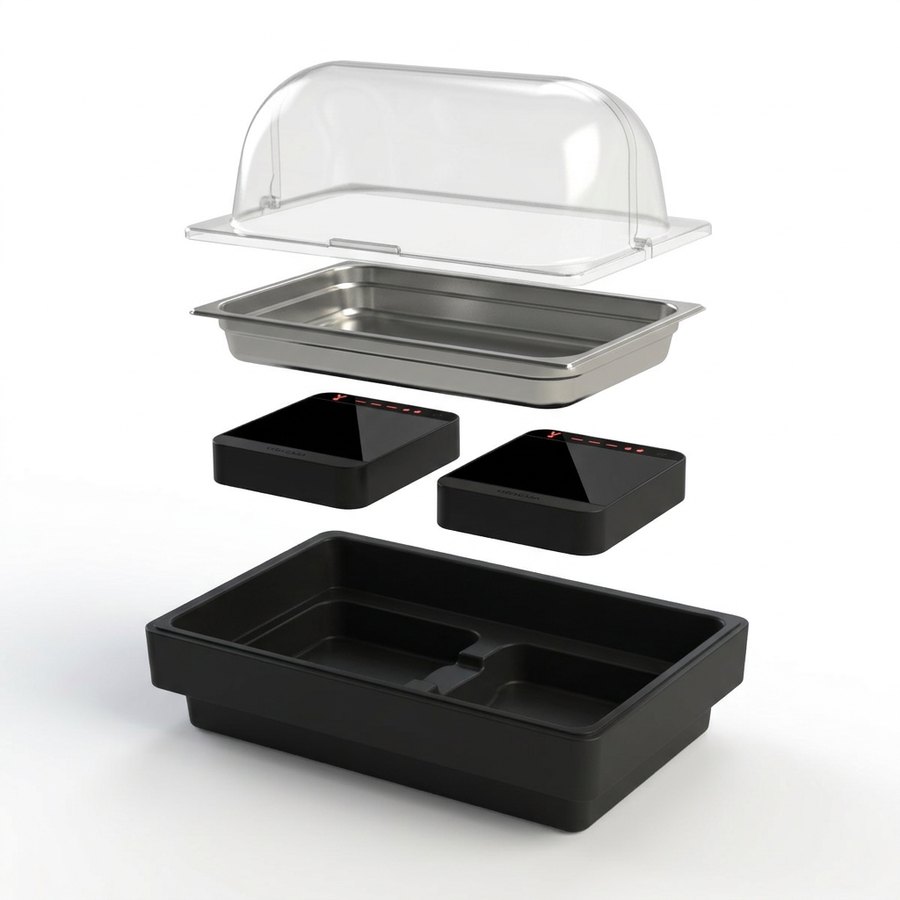
Lay the cell in the well. No cord to route, no fuel to light.
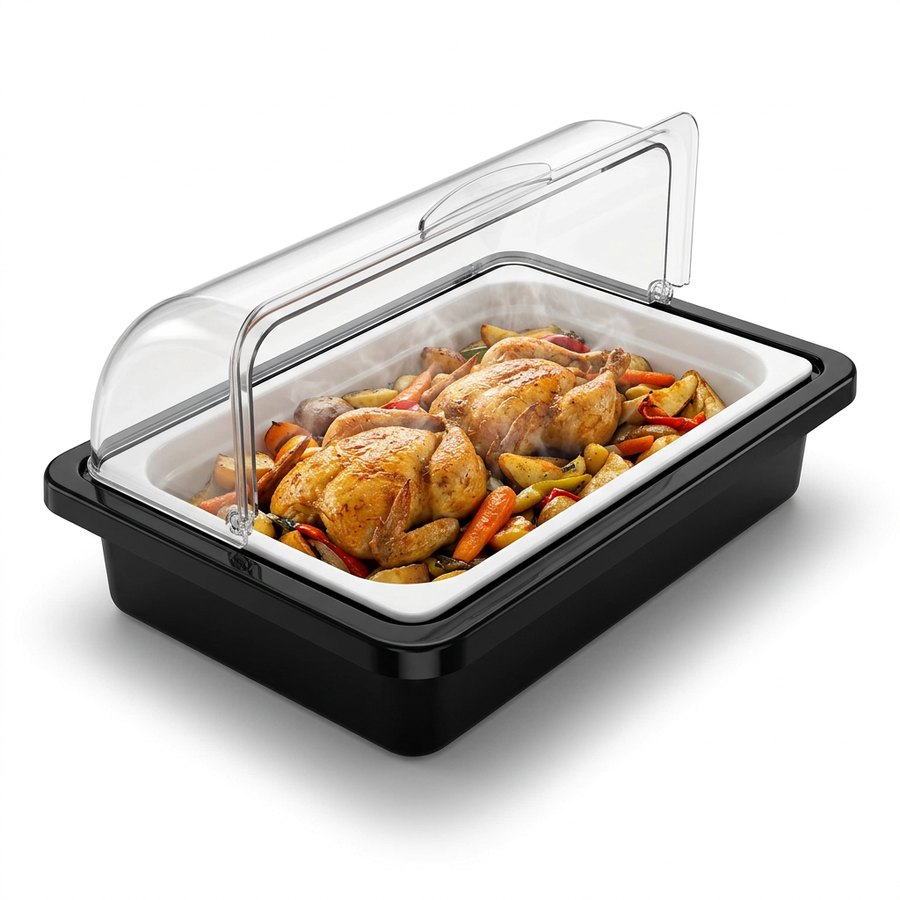
Hours of service. Swap a cell in seconds if the event runs long.
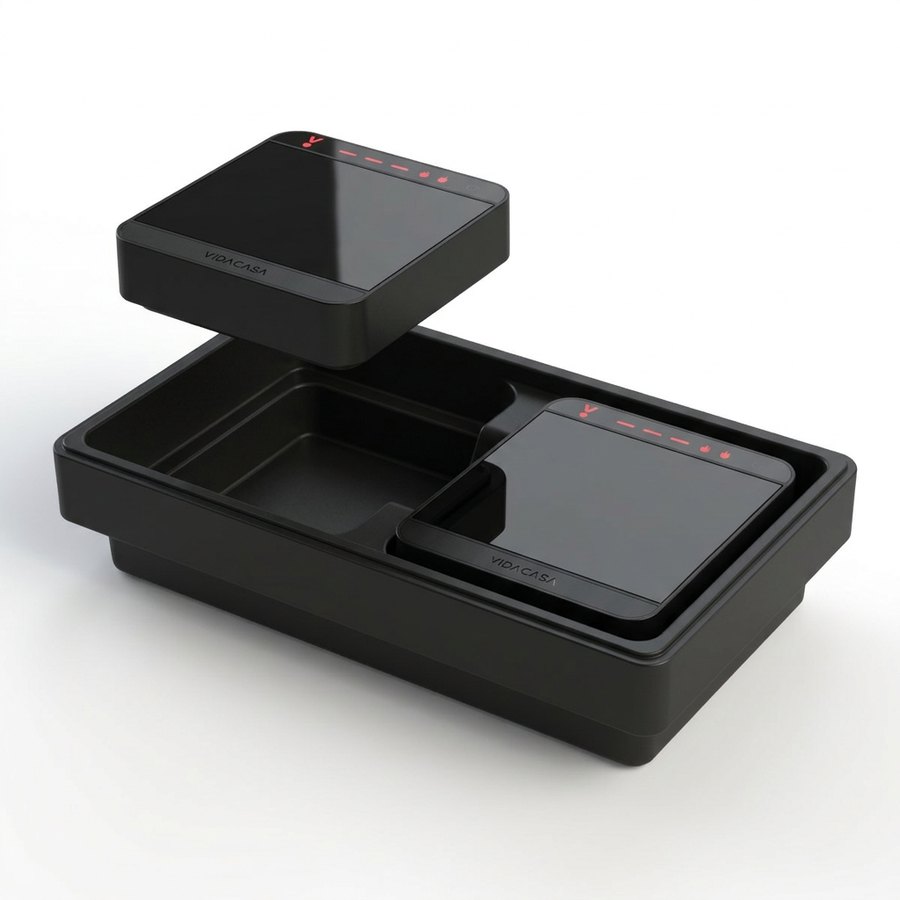
Buffet lines, GN 1/1 and 1/2.
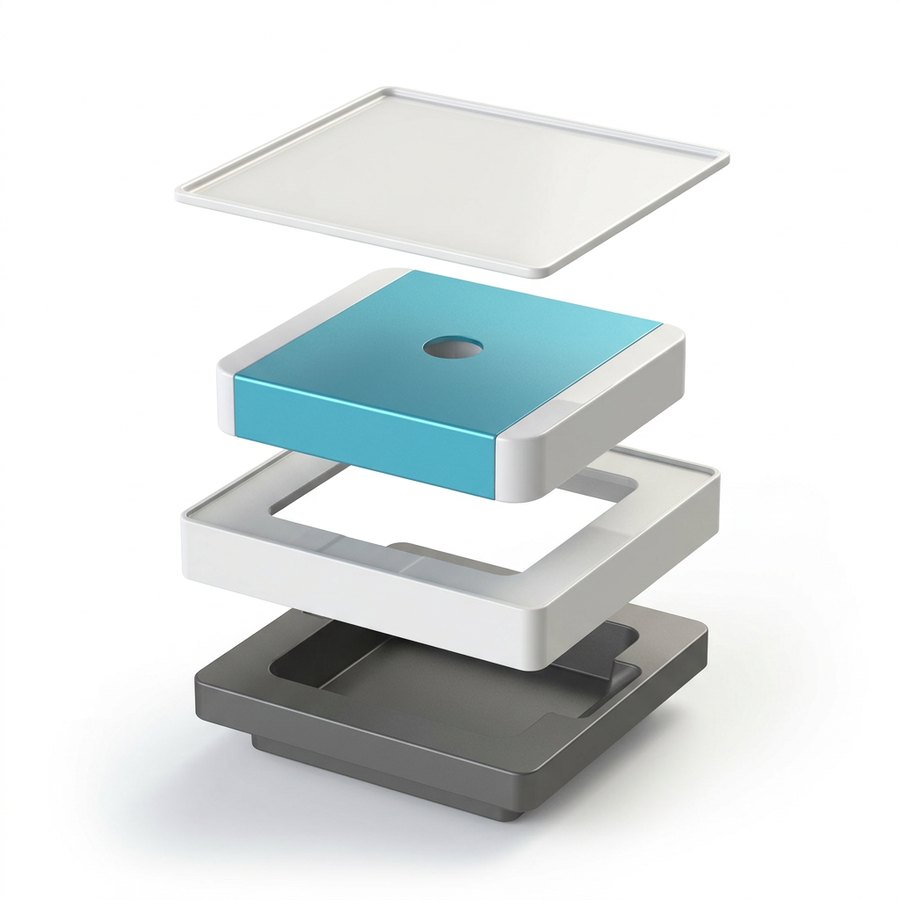
Hot or cold at the table.
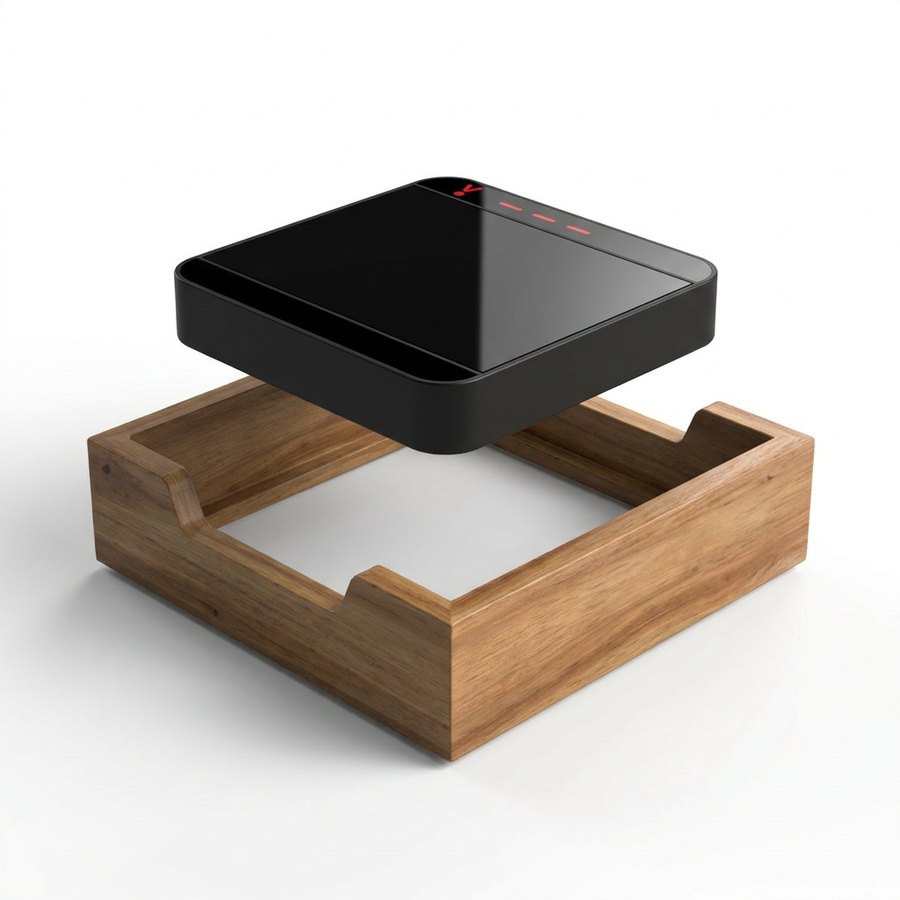
Solid acacia or melamine under one hot dish.
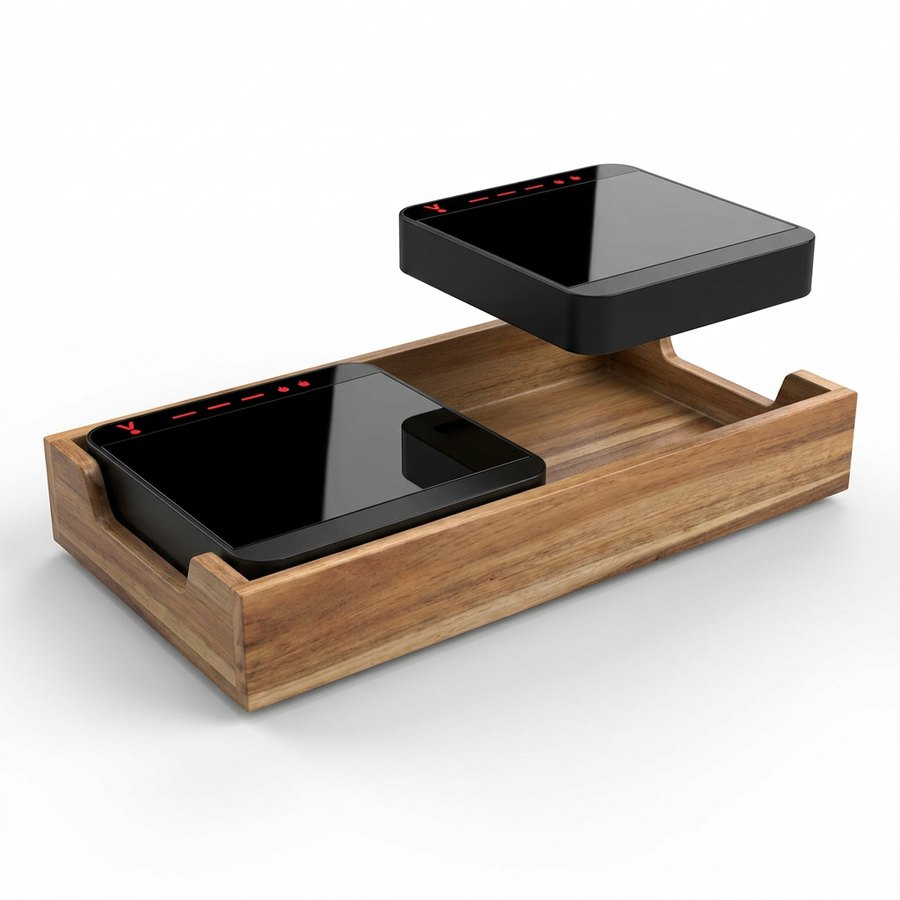
Two H1X side by side for a long dish.
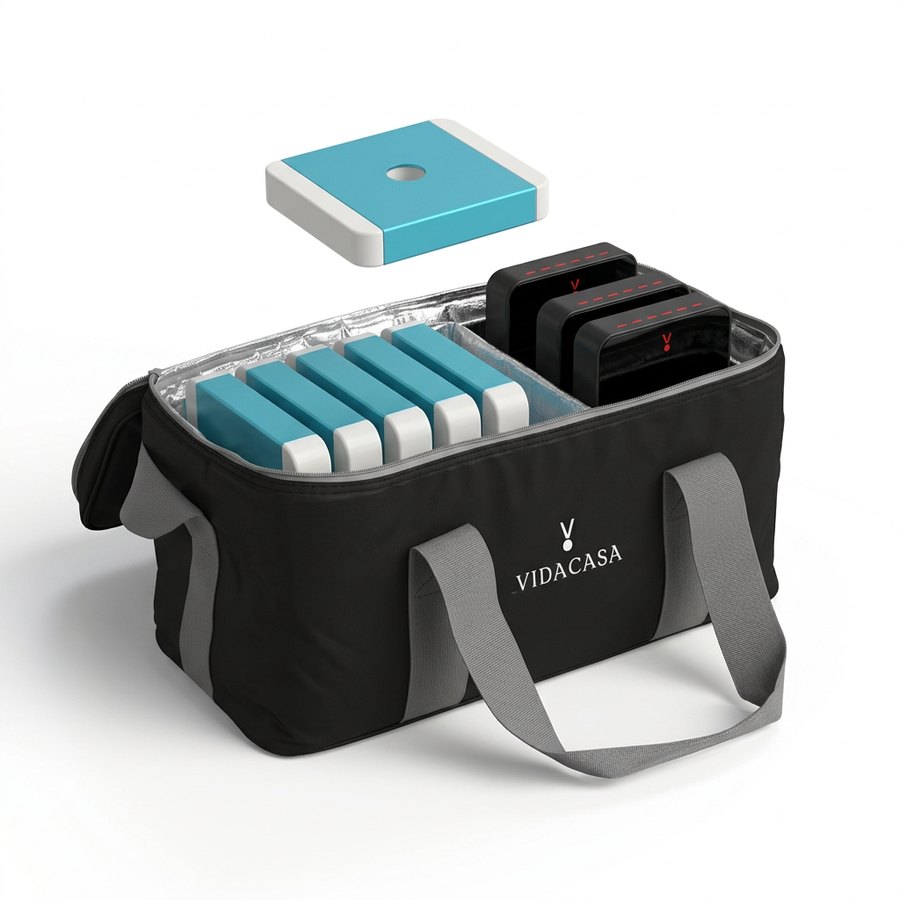
Cells travel frozen or charged to the venue.
Freeze the cell fully: 24 hours in a −18°C freezer, or 6 hours in a −40°C blast freezer.
Set the frozen cell in the well. Pan straight on top. No liner, no drain.
About four hours of chilled service at around −4°C on the plate of a lidded set.
Wipe, refreeze, repeat. There is nothing to refill and nothing to dispose of.
| Item code | 1426C002 |
|---|---|
| Cell size | 20 × 20 × 5 cm |
| Cell weight | 1.8 kg |
| Cell temperature | −10°C |
| Cell hold time | 8+ hours in a thermal‑protected environment |
| Plate surface in a set | About −4°C for 4 hours (Universal, S28) |
| Colors | Blue |
| Core | Sealed cold‑storage core; material iThermo C10 coolant |
| Shell material | Ultra‑flat aluminum steel + PE (polyethylene) |
| Recharge, standard freezer | −18°C standard freezer · 24 hours |
| Recharge, blast freezer | −40°C blast freezer · 6 hours |
| Rated freeze‑thaw cycles | 2,000+ cycles |
| Food contact | None; the cell sits under the pan |
| Cleaning | Wipe down; dishwasher friendly |
| Compatible frames | Universal · S28 tabletop set |
| Certifications | Food‑safe · Environmentally friendly |
| Warranty | 1 year on factory functions |
−10°C for 8+ hours is the cell in a thermal‑protected environment. On the line the figure that matters is the plate: about −4°C for four hours in a lidded Universal or S28 set. Chilled food stays chilled from underneath, which is where an ice bath is weakest: ice cools the sides of a pan, melts, and leaves the base sitting in water at 4°C or warmer by the second hour.
Load the pan cold. The C1 Pro holds temperature; it is not a blast chiller and will not pull a warm pan down quickly.
Ambient heat, sun and an uncovered pan all shorten the hold. A lid or a roll‑top extends it.
No battery, no electronics, no consumable. The cell is a sealed unit; its service life is a question of freeze‑thaw cycles and of how hard the shell is knocked about (rated cycles: 2,000+). Wipe clean between services. Warranty is one year on factory functions.
Ice is the most expensive way to be cold. A venue on ice pays for the machine, the water it drinks, the electricity to freeze it, the labor to bag and bin it and the mop for the floor, and buys it again tomorrow. Refreezing a 1.8 kg cell in a freezer that is already running costs almost nothing, and the cell is used again the next day.
Ice also carries a liability. Buffet ice has tested positive for E. coli and other organisms in study after study, and melt water on a tiled floor is a slip claim waiting to happen. A sealed cell removes both.
Read more: Ice is the most expensive way to be cold · E. coli in the buffet ice · The slip and fall from the ice bath
Oysters, prawns and crab on a plate at about −4°C for four hours in a lidded set, with no ice bed to top up.
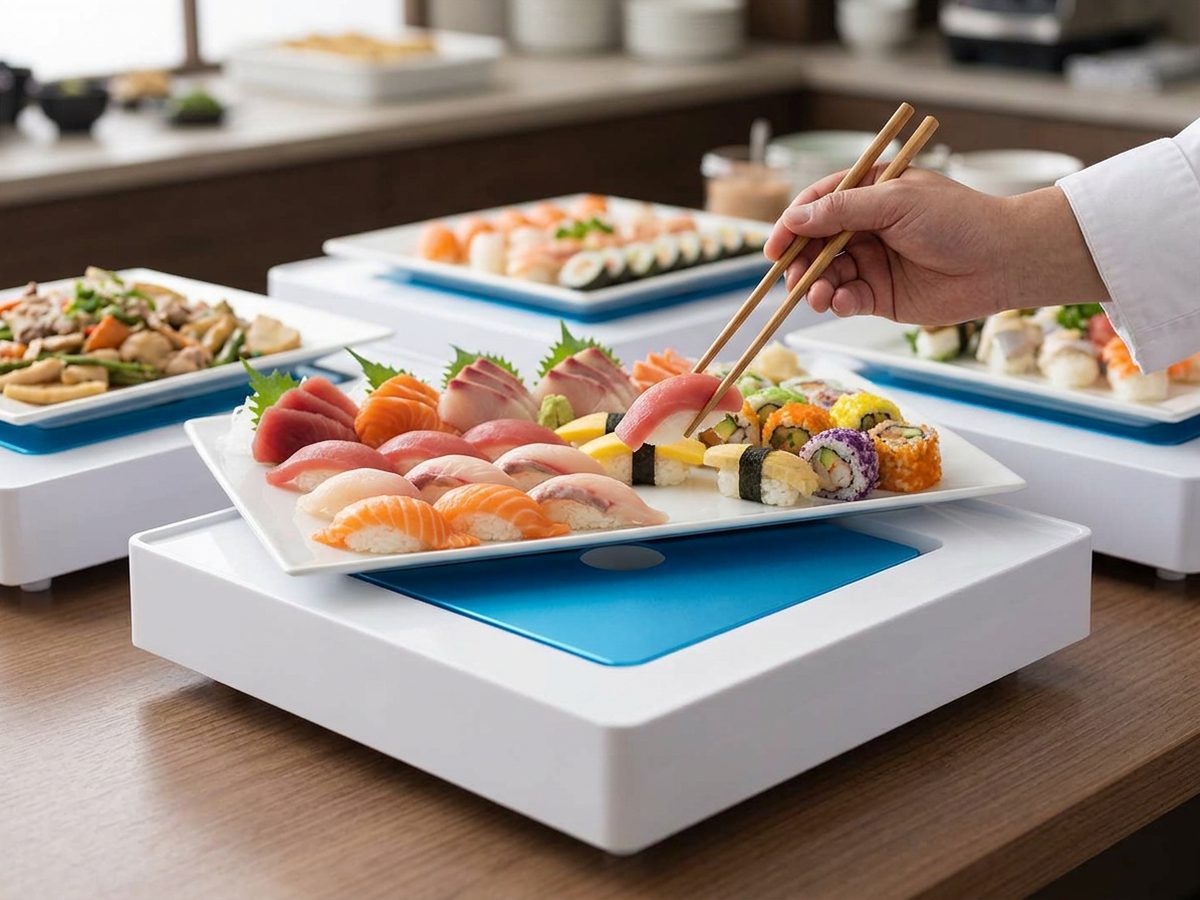
Chilled from below, dry on top. Nothing sits in water.
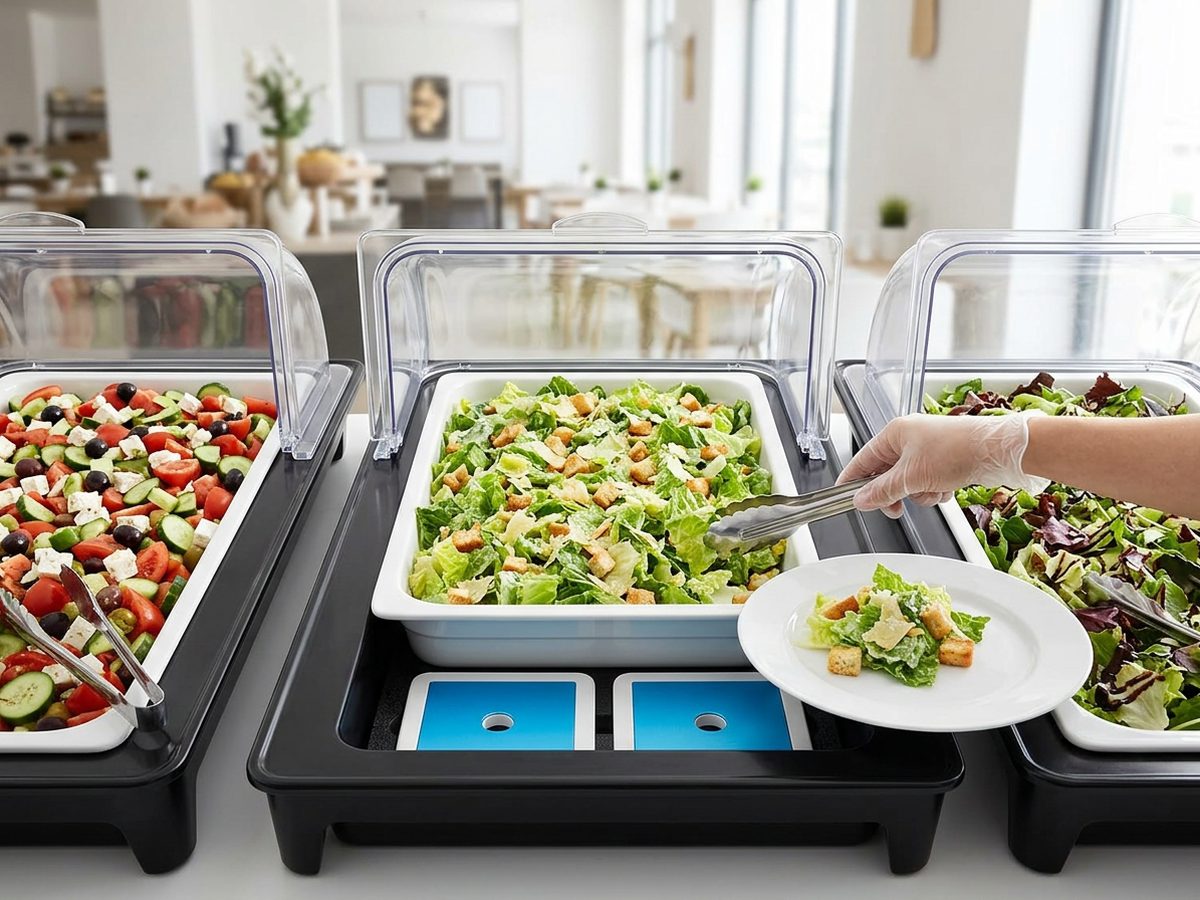
Greens and dressings held cold without the melt water that ruins the last hour.
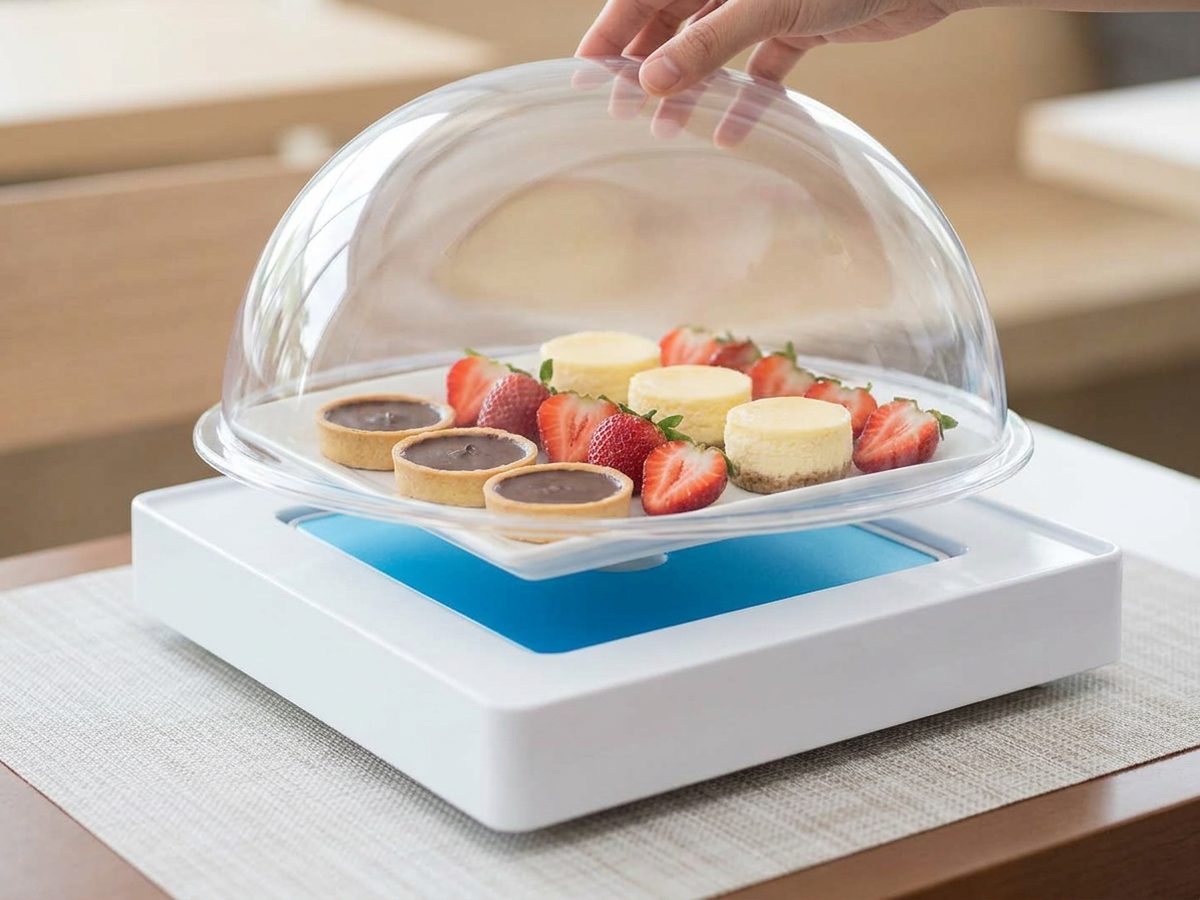
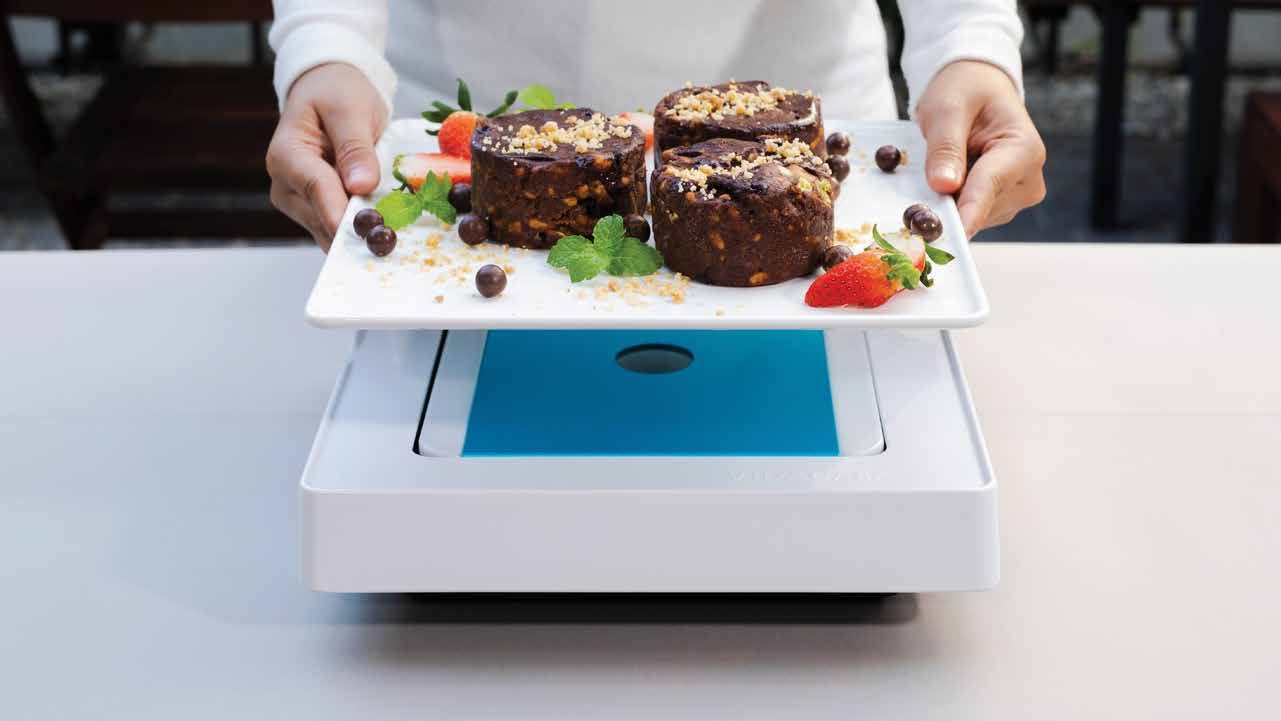
Mousse, pralines and cream cakes on an S28 set at the table.
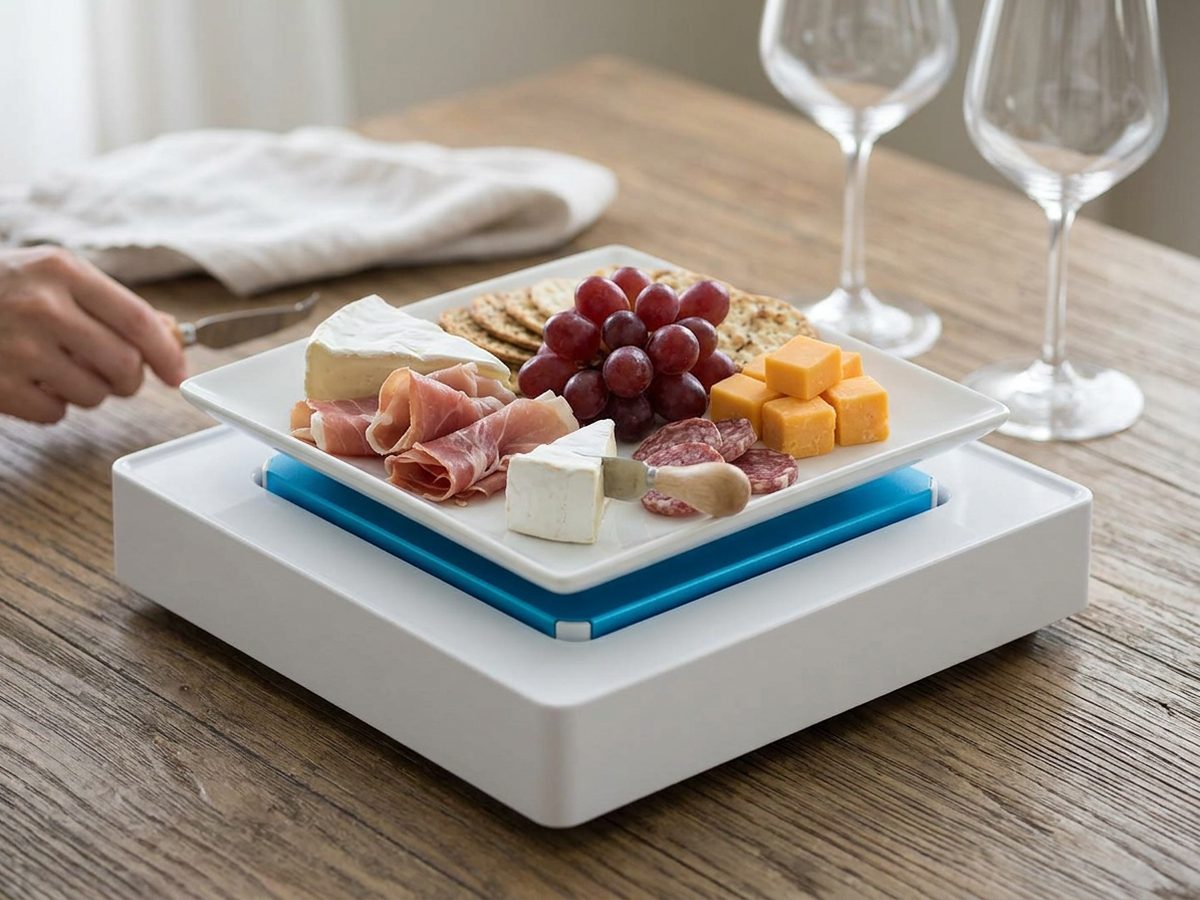
Cold enough to keep, not so cold that the cheese loses its flavor: use with a board on the pan.
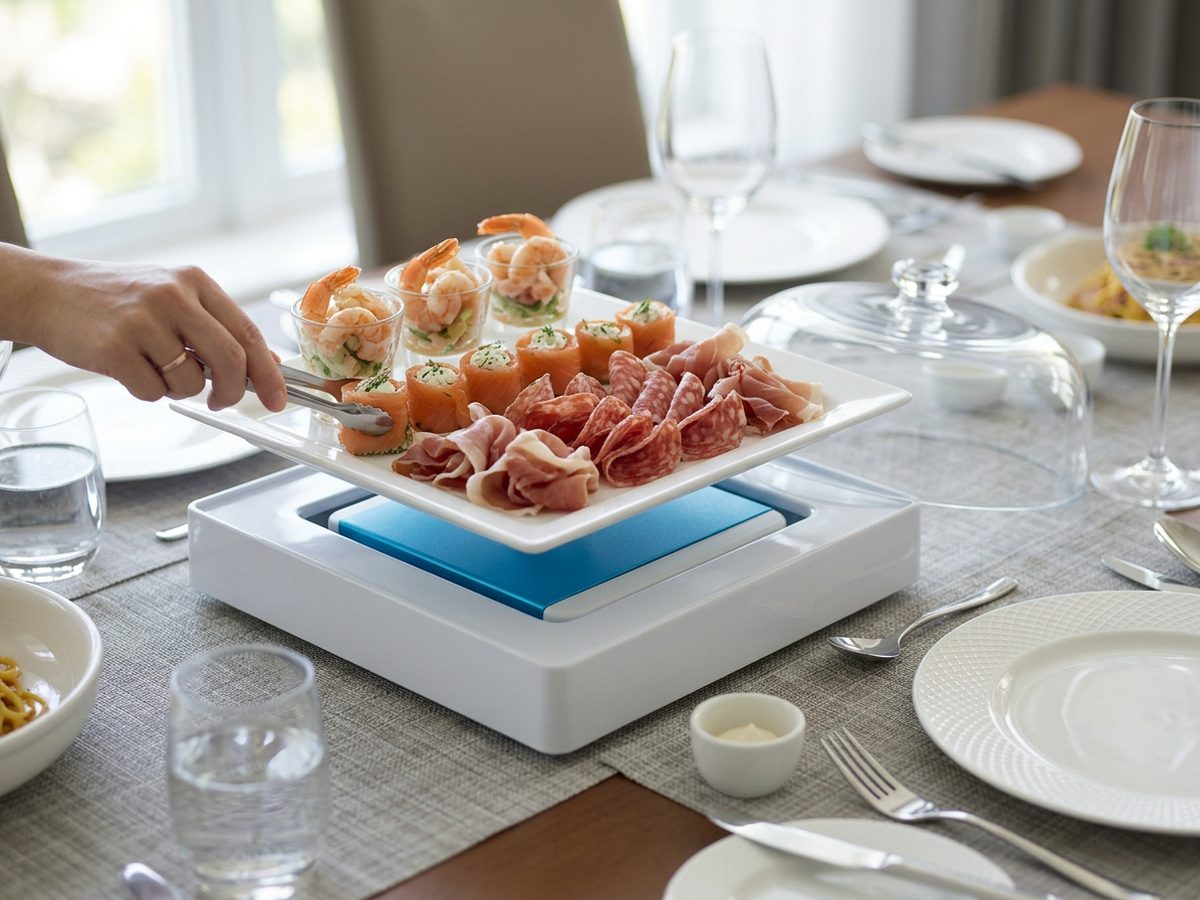
About −4°C on the plate of a lidded S28 for four hours at the table.
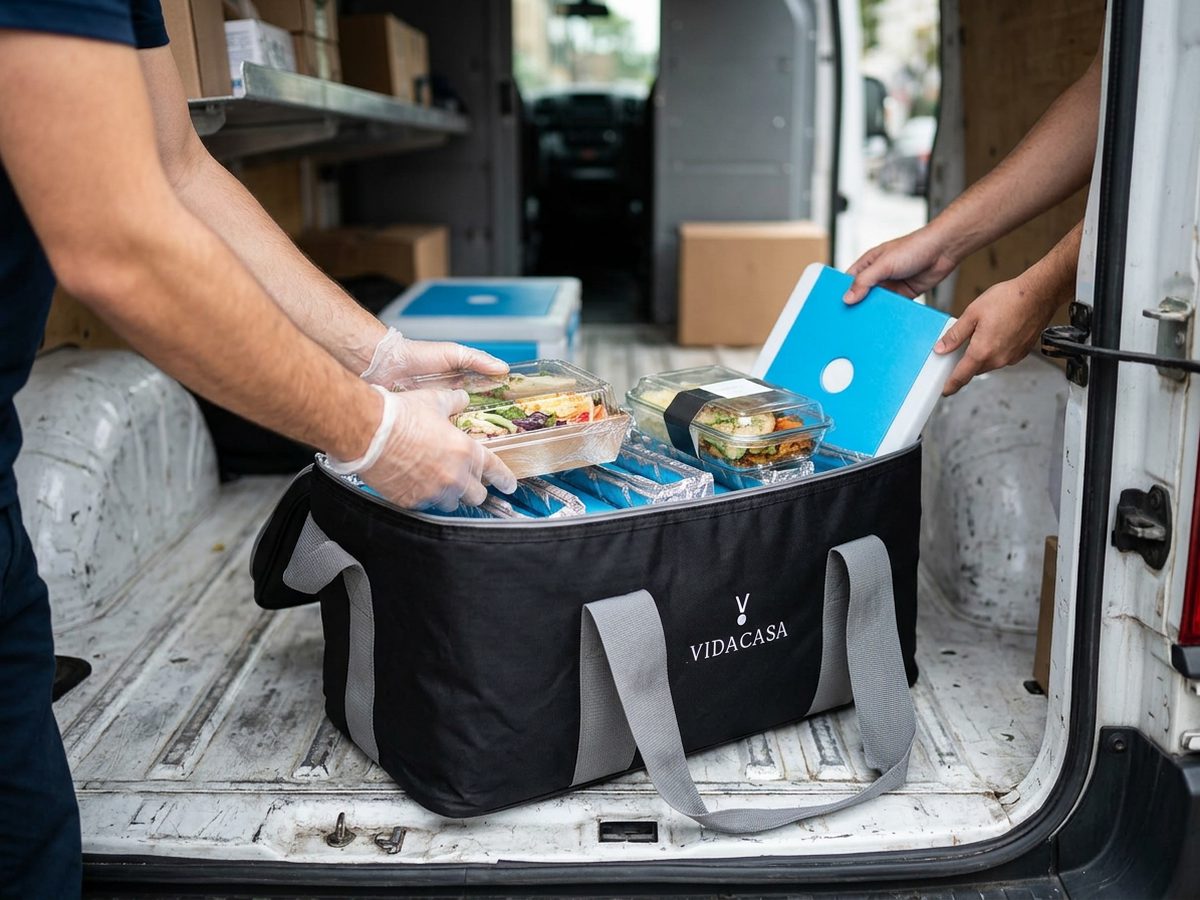
In the B28 carrier, frozen cells keep a delivery cold for the final hour from van to door.
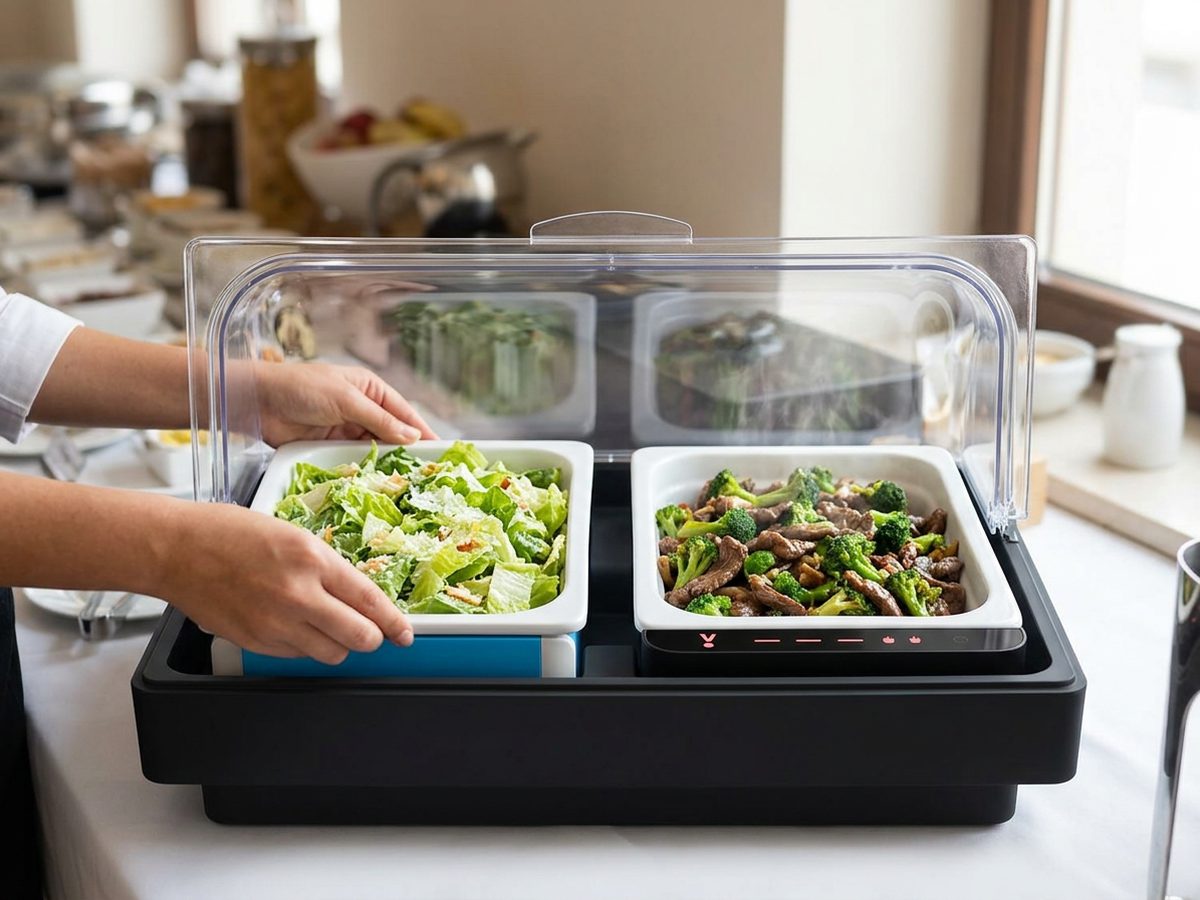
GN 1/1 Universal frame: H1X in one well, C1 Pro in the other.
Not the right tool for
Tell us your territory, your volume and the set you are building, and we will talk business. Samples go to qualified trade partners and are paid in advance.
The C1 Pro subzero cold cell holds −10°C for 8+ hours in an insulated environment. In a lidded Universal or S28 set the plate surface above it stays at about −4°C for four hours.
24 hours in a standard −18°C freezer, or 6 hours in a −40°C blast freezer. Wipe it, refreeze it and reuse it; it is rated for 2,000+ freeze-thaw cycles.
A subzero cell in open air pulls moisture out of the room and collects condensation. The insulated base protects the sides of the cell, so only the flat aluminium top touches the pan and the display stays dry.
No. The cell sits under the pan and has no food contact. Its ultra-flat aluminium plate keeps full contact with the pan base, which is how the cold reaches the food.
It works like one: a sealed cold-storage core (iThermo C10 coolant) that you freeze and reuse, in a 20 × 20 × 5 cm cell that fits the same well as the H1X hot cell.