
ACCUEIL / BLOG / COMBUSTIBLE DE CHAFING-DISH
The number the fuel aisle never mentions
Invisible flame, visible scars: the 65 gel-fuel fires the CPSC counted
In 2011 the U.S. safety regulator recalled two million bottles of alcohol gel fuel after 65 fires. The chemistry under your buffet pan is the same. So is the way people get hurt.
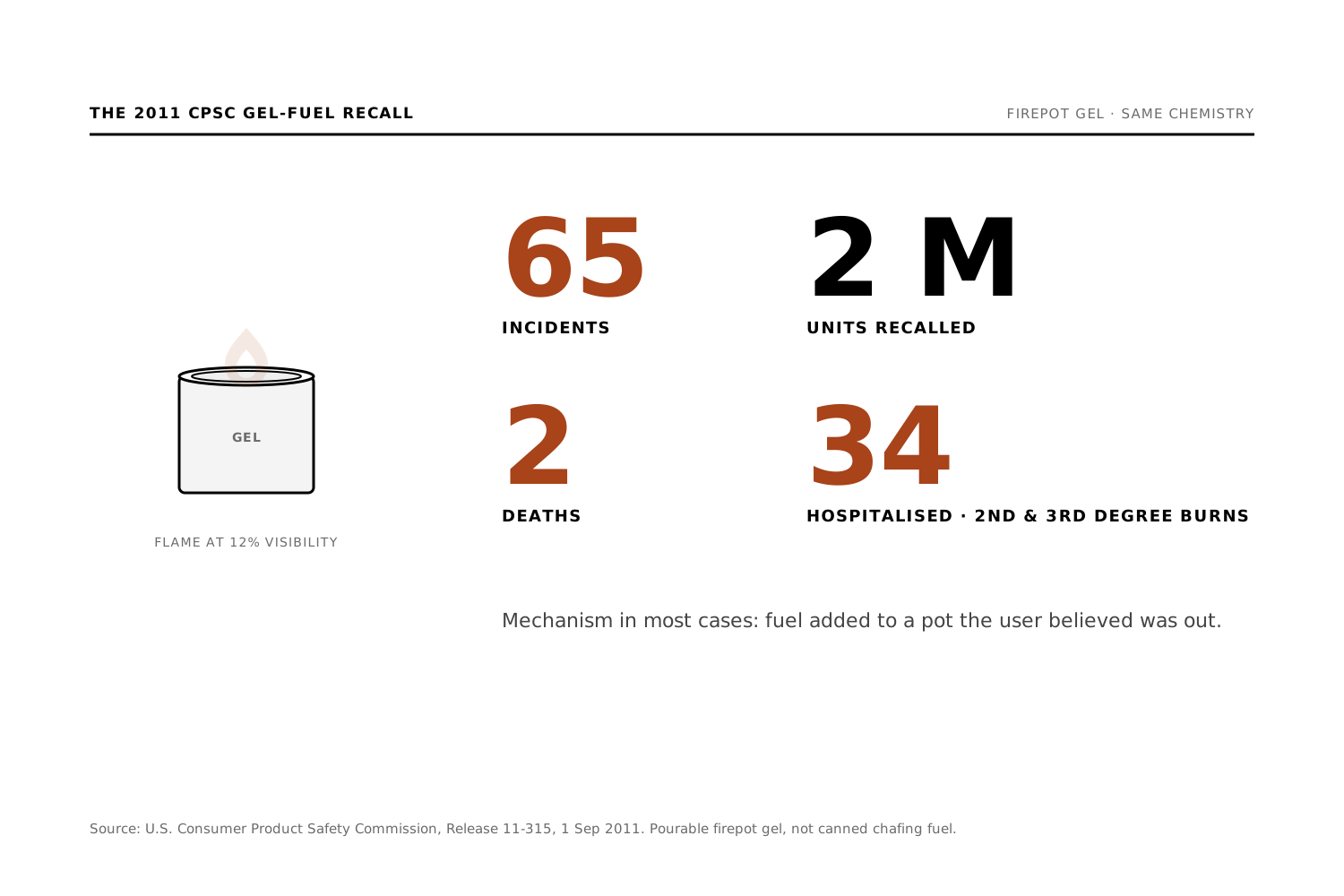
On 1 September 2011 the U.S. Consumer Product Safety Commission announced a recall of every pourable gel fuel sold by nine manufacturers. The agency had counted 65 incidents. Two people were dead. Thirty-four had been hospitalized with second- and third-degree burns to the face, chest, hands, arms and legs. The products were pulled — around two million bottles and jugs.
What actually happened
The mechanism in almost every case was the same. Someone poured fresh gel into a pot they believed had gone out. It had not. Alcohol flames are close to invisible in daylight. The fresh fuel ignited on contact, the pot flashed, and burning gel splattered across whoever was holding the bottle.
The National Fire Protection Association put out its own warning that summer. Firepots were the product. The chemistry was ethanol gel with a thickener. The failure was adding fuel to a live flame.
Why this is your buffet's problem
Canned chafing fuel was not part of that recall, and this article will not pretend it was. What it will say is that a can of chafing gel is ethanol or methanol thickened into a gel, that its flame is as hard to see as a firepot's, and that the single most common thing catering staff do with it — swap a spent can for a fresh one in the middle of service, without being sure the old one is out — is the exact motion that produced 65 CPSC case files.
Industry safety guidance says the same thing in its own words: the most severe chafing-dish accidents happen when staff replace fuel during service, or when a guest, often a child, touches the flame.
The thing about a can you cannot see burning
A gel can burns for up to six hours. For most of that time, in a bright ballroom or on a sunlit terrace, a person standing over it cannot tell whether it is lit. That is not a training problem. It is a design property of the fuel, and no amount of signage changes it.
A water-activated pack has no flame to see or fail to see. A cordless cell has an indicator light. Neither can be refueled, because neither has fuel.