
The buffet heat source, ranked
Chafing fuel alternatives: what actually works
Gel, wick, induction, water-activated packs and cordless cells, compared on the four things that matter to an operator: hold time, safety, cost per pan and where each one fails.
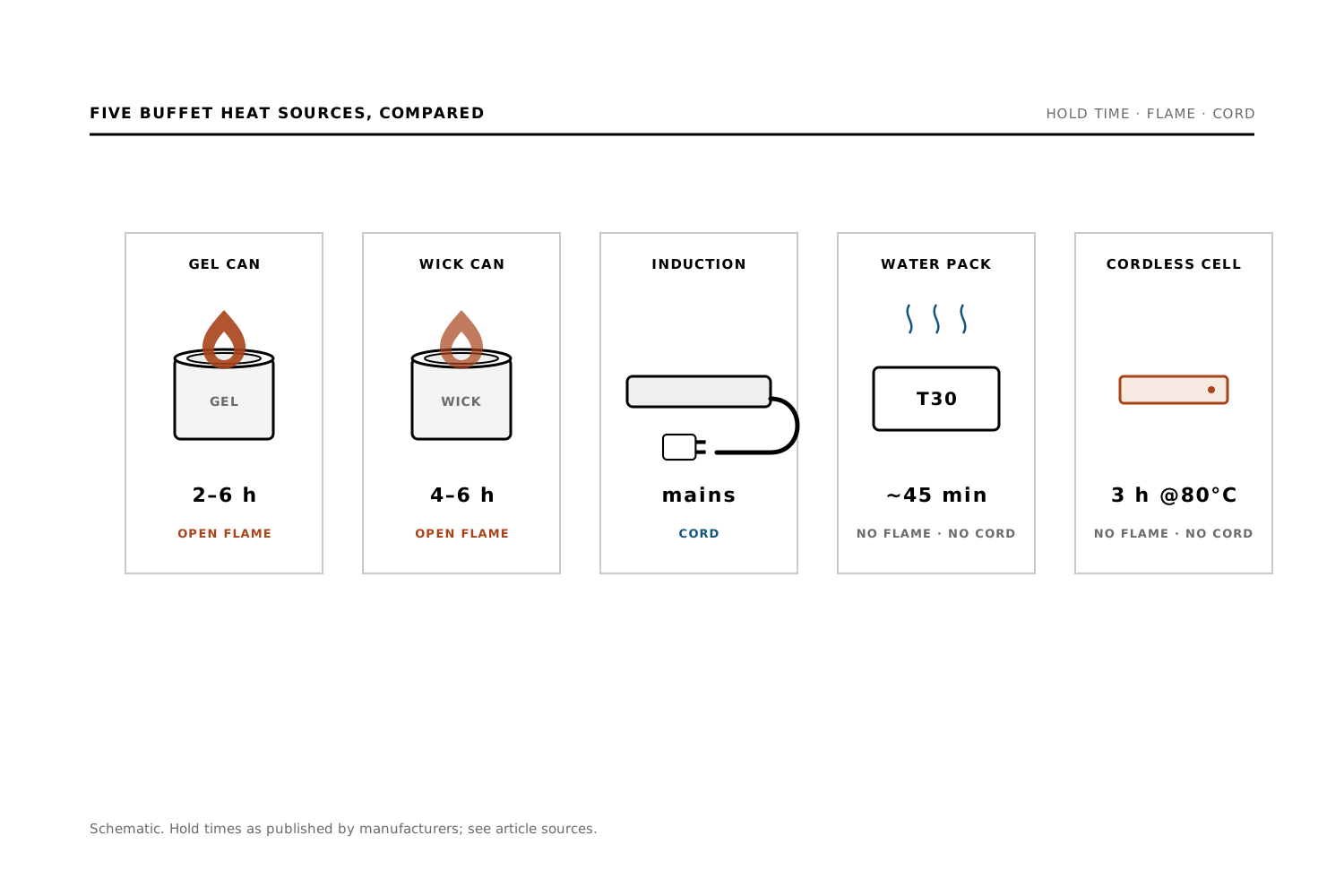
Every buffet line in the world runs on one of five heat sources, and most operators inherited theirs rather than chose it. Here is the comparison nobody in the catering supply business will put in writing.
1. Alcohol gel in a can
The incumbent. Two to six hours of heat from a steel tin of ethanol or methanol gel, lit with a match. It is cheap at the till and expensive everywhere else: the flame is nearly invisible in daylight, the gel sticks to skin and keeps burning, and the fumes are a combustion product in a room full of guests. The chemistry is the same family that the U.S. Consumer Product Safety Commission pulled from firepots in 2011 after 65 incidents, two deaths and 34 hospitalizations — the mechanism, adding fuel to a pot that is still alight, is identical to a mid-service can change.
2. Wick fuel
Diethylene glycol with a cotton wick. Safer to spill because the liquid will not ignite without the wick, and a steadier flame. Still a flame, still a can to extinguish and dispose of, and diethylene glycol is nephrotoxic if it ever reaches a mouth.
3. Induction warmers
No flame, precise heat, and the manufacturer's own manual tells pacemaker wearers to keep their distance. Every unit needs an outlet and a cord across a floor that will have water on it by the end of service. Fine in a hotel with hard-wired stations. Useless on a lawn.
4. Water-activated heat packs
Pour water on the pack, get steam in a minute, hold a pan hot for about 45 minutes. No flame, no cord, no charge cycle. The trade-off is duration: it suits a wedding breakfast or a delivery drop, not a six-hour brunch.
5. Cordless heating cells
A rechargeable cell that drops into the well under the pan and holds 80 °C for three hours or 110 °C for two, with nothing to light and nothing to plug in. Higher up-front cost, close to zero cost per service, and the only option on this list where the same well takes a sub-zero cell for the cold side of the same buffet.
The honest verdict
If your service is under an hour and you will never see the equipment again, the water pack wins. If you serve every day, the cell pays for itself inside a year against gel cans, before you count the fire extinguisher, the insurance excess and the one night something goes wrong. Induction belongs in a fixed line with a hard-wired outlet, and nowhere else. Gel belongs in the past.