
Fourteen papers, one conclusion
Ten years of ice studies say the same thing
A 2024 review gathered a decade of research on the hygiene of food ice. The pathogens change; the finding does not.
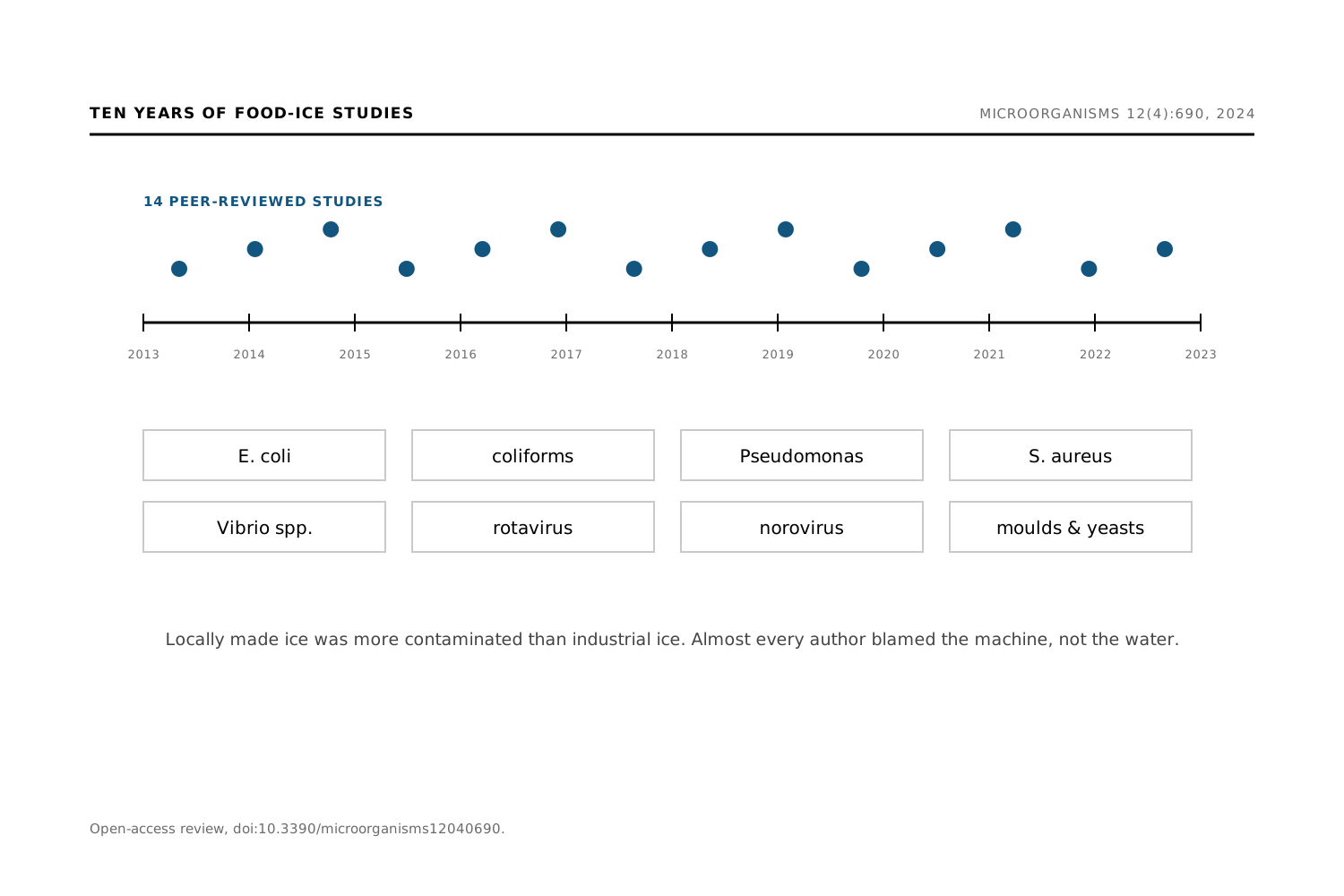
Researchers reviewed fourteen studies on food ice published between 2013 and 2023. The list of organisms found reads like a food-safety syllabus: E. coli, coliforms, Pseudomonas, Staphylococcus aureus, Vibrio species, rotavirus, norovirus, molds and yeasts.
The consistent finding
Ice made locally in food businesses was more contaminated than ice from industrial producers, and almost every author pointed to the same cause: the hygiene of the ice-making machine, not the water going into it.
Why freezing does not help
Freezing preserves microorganisms; it does not kill them. Whatever was in the machine's bin, on the scoop, or on the hands is in the ice, and is released when it melts.
On a buffet
A cold display is ice melting under food for hours. A sealed cold cell at −10 °C does not melt, does not touch the food, and goes back in the freezer wiped.